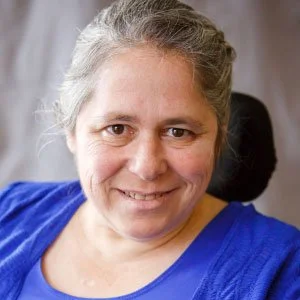

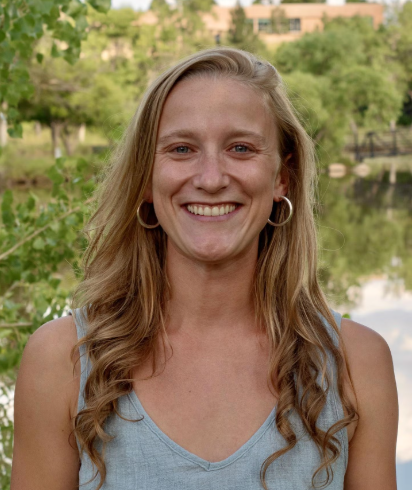
Featuring Dr. Georgia Butcher
Faculty in Peace and Conflict Studies at the University of Colorado-Boulder
Dr. Georgia Butcher is a cultural anthropologist who studies military servicemember and veteran health and serves as a faculty member at the Peace, Conflict, and Security Program (PACS) at the University of Colorado-Boulder. Her dissertation research focused on the experiences of military drone personnel based in the United States and the shifting expectations on the warrior. Prior to her graduate research, Dr. Butcher worked with the federal government on science and technology policy issues, specifically looking at policy implications on issues of AI, veteran and servicemember health, and human-machine teaming.
At its inception in 1968, PACS was one of a handful of peace studies programs in the world. By the arrival of the new millennium, hundreds of such programs existed. The study of conflict management and peace development has become a metadiscipline within the academic world and PACS at the University of Colorado has been instrumental in that evolution. A PACS graduate could take the path of mediator, human rights activist, classroom peace educator, social development specialist, legislator, advocate, mass media communicator, environmental dispute settler, etc. The PACS program prepares students to understand and practice peacemaking in whatever part of the world of work their interest might lead them.
PACS assumes a broad concept of peace; a process which requires preventing violence, disarming the world, meeting human needs, protecting human rights, resolving conflict without violence, ensuring social justice, truthseeking. As PACS faculty, Dr. Butcher shares a deep concern about the destructive conflicts which create unnecessary violence, suffering, and injustice in our world, and believes that these forms of conflict are not inevitable, and that they can be managed through increased understanding and effective practices.
Dr. Butcher was recently awarded a Teaching Excellence Award based on her leadership, teaching philosophy and dedication to her students. According to Dr. Butcher, “My favorite part of teaching is when I realize that the students not only trust each other, but also me. Trust is such an essential part of teaching, especially in recitations, and I find that once trust is strong, student submissions also become stronger and more interesting.”